
Farm to market
Why the agrifood value chain is about more than growing food
Production matters, but handling, storage, transport, market information and customer relationships also shape outcomes.
Explore the perspective
Explore practical perspectives on farming, food, markets, enterprise and the people connecting them. A growing editorial space for useful ideas and Agrolyst announcements.
Evergreen explainers and editorial perspectives to help readers think through common questions across the agrifood system.
Production matters, but handling, storage, transport, market information and customer relationships also shape outcomes.
Explore the perspective
Simple records can reveal costs, patterns and next steps.
Read perspective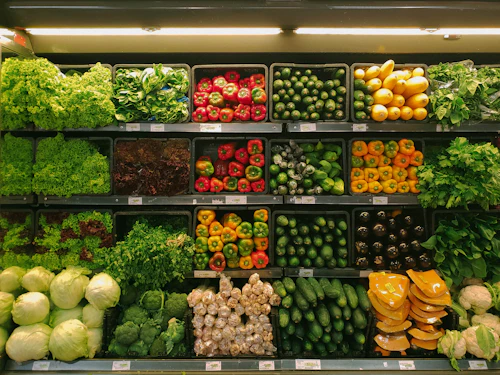
Trust, quality and clear communication all count.
Read perspectiveBrowse the current hardcoded editorial collection by topic or search for a keyword. This library is prepared for a future data-backed publishing workflow.

Food moves through connected stages, from inputs and production to handling, transport, processing, retail and consumption. Gaps between stages can affect quality, costs and the price received by producers.
Read full story
Records do not have to begin with complex software. A consistent note of inputs, labour, harvests, sales and payments can help make farm decisions less dependent on memory.
Read full story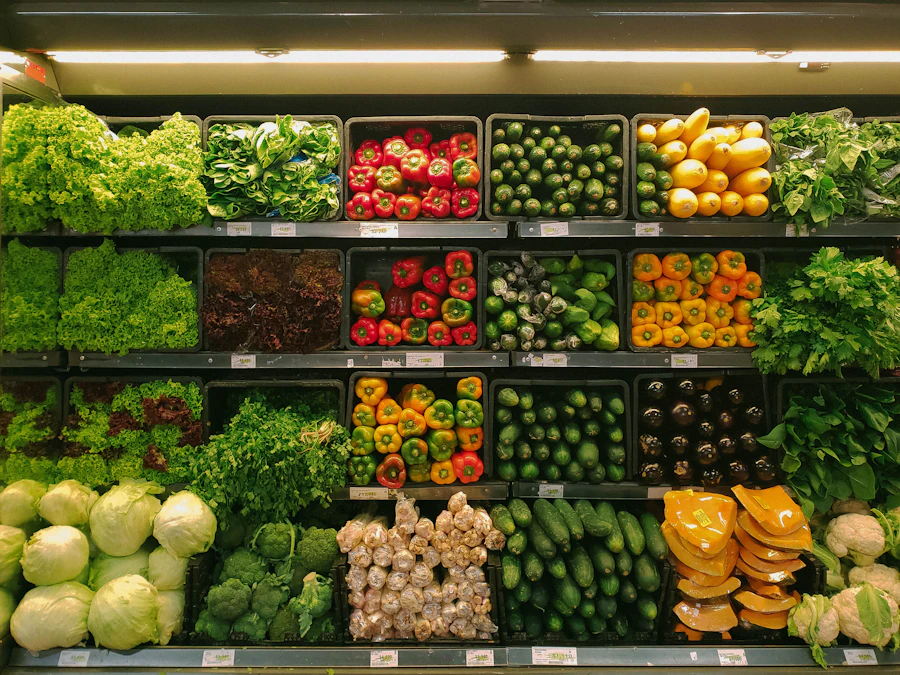
Market access involves more than finding a buyer once. Clear expectations around quality, quantity, timing, price and payment help build relationships that can last.
Read full story
Careful handling, appropriate storage and timely movement can help protect food quality after harvest, though the right approach depends on the crop and local conditions.
Read full story
Weather, pests, input costs, market shifts and cash-flow pressure can all affect farm plans. Identifying risks early helps make contingency planning more deliberate.
Read full story
Food traditions carry knowledge about ingredients, preparation, seasonal availability and the role of meals in community life.
Read full story
Digital tools are most useful when they address a clear need and fit the user's connectivity, skills, budget and working routine.
Read full story
A clear business plan, realistic cost assumptions and a transparent use for funds can help a business explain its needs to a potential finance partner.
Read full story
Working together may help producers coordinate volumes, share selected costs or exchange information, but cooperation needs clear rules and trust.
Read full story
Learning opportunities can combine classroom knowledge with communication, record keeping, teamwork and an understanding of real business processes.
Read full story
Good food handling practices, cleanliness and clear responsibilities are important at each stage of food preparation and distribution.
Read full storyExplore the site’s resource pages for information about capacity building, training enquiries, agribusiness support and community participation.
Read full story